

A malfunctioning oven can be a major problem, especially when holiday meals or special-occasion dinners are on the horizon. Knowing the warning signs of oven heating issues and what might be causing them can help you nip the problem in the bud before your dinner plans are ruined at the last minute.
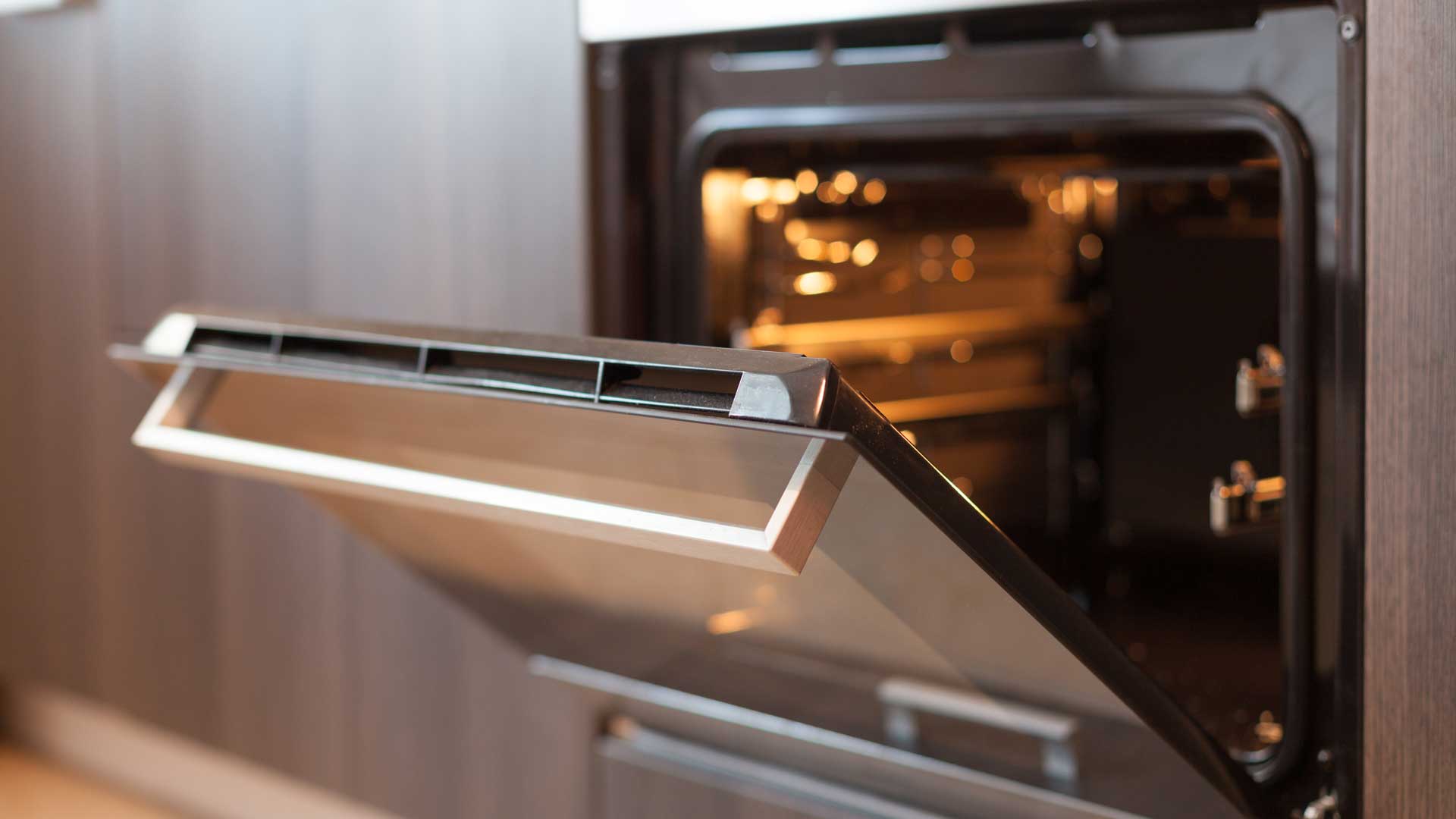
Spotting Evidence of Uneven Oven Heating
Since ovens are a closed environment, it can be hard to tell when there’s a heating problem. A minor issue can go unnoticed for a long time, especially if it starts small and gets progressively worse. However, uneven oven temperatures eventually show up by making even your most time-tested recipes turn out wrong.
Oven heating problems can show up in many ways. These include:
- Food browning unevenly
- Extended cooking times
- Noticeable temperature differences inside the oven
When one area of the oven stays hotter than another, your food tends to turn out unevenly. For example, at the end of a normal bake time, one side of your favorite pie might be the perfect golden brown while the other side is just getting warm.
When the problem gets bad enough, you may even notice the temperature difference when you put food in or take it out of the oven. This can cause cooking issues, of course, but it can also create “hot spots” that pose burn hazards for anyone using the oven.
If you suspect a heating issue, address it as soon as possible. This will help you get your baking, broiling, and browning back on track, and it will keep your oven in prime condition instead of forcing it to compensate for failing parts.
Common Causes of Oven Temperature Fluctuations
Numerous factors can cause inconsistent oven temperatures. In some cases, you might be able to spot and/or troubleshoot the problem on your own. In others, you’ll need to call a pro to address the issue safely and completely.
Calibration Problems
Ovens are calibrated to achieve a certain temperature based on the temperature that you select for cooking. Typically, your oven is calibrated so the temperature it reaches matches the temperature you select.
Sometimes, however, ovens are calibrated so that the temperature they reach is slightly different than the temperature you select. This can be caused by:
- Faulty calibration
- Your elevation
- Factor settings
If your oven isn’t reaching the right temperature, you can consult your owner’s manual to learn how to recalibrate it. This simple action may solve all of your oven woes. If it doesn’t, then you can cross calibration off your list of possible causes.
Airflow Restrictions
Ovens, especially convection ovens, need consistent airflow so that the warm air can move freely throughout the oven and heat it evenly. Sometimes, vents get covered by tinfoil or drip mats, which impede airflow and cause uneven heating. Vents can also get blocked by food, grease, and other debris that builds up over time.
If you can see that your oven vents are impeded, try uncovering or cleaning them. If that resolves your heating issues, you’re probably good to go. Just make sure you keep those areas clear going forward. If your vents are unobstructed and you still have uneven heating problems, keep looking for the cause.
Failing Temperature Sensors
Ovens rely on internal sensors to signal the system when the oven reaches the right temperature during heating. If those sensors are damaged or malfunctioning, uneven heating isn’t far behind.
Sensors can also sometimes get moved inadvertently. If your oven’s sensor isn’t in the right position, it might not relay accurate information to the internal thermostat.
The style and placement of temperature sensors vary by oven make and model. Check your owner’s manual for the correct location, and make sure your sensor is in the right spot. If it’s not, try putting it back where it belongs and see if that fixes the problem.
Damaged Heating Elements
Your oven’s heating elements are, as the name suggests, the parts that actually heat up to affect the internal temperature. Time, physical trauma, and debris can all damage oven heating elements.
Sometimes, damage to heating elements is visible to the naked eye. Signs can include:
- Bubbles, blisters, or swelling on the element
- A visible covering of food, grease, or debris
- Part of an element staying black while other parts glow red
Even if you don’t notice any of these signs, heating elements may still be the source of the problem. If you’ve ruled out other causes and are still stumped, call your local appliance repair pro.
For oven service in Morris County and the greater area, call Morris County Appliance Repair today. With over 50 years of combined experience, we know what to look for when it comes to uneven oven heating. We proudly service both standard and luxury appliance brands, and we’re fully licensed and insured for your peace of mind. Morris County Appliance Repair—You Can Count On Us!


